Guide
Getting Married in Tulum
The complete guide — costs, legal paperwork, seasons, venues and light — written by a wedding photographer who has worked Tulum's beaches and jungles for over 14 years.
Why Tulum
Tulum is the only place in Riviera Maya where the jungle actually meets the sand. That's what you're buying: ceremonies under palm canopies, boho-luxury boutique hotels instead of towering resorts, cenotes twenty minutes from the beach, and an aesthetic — raw wood, white linen, candlelight — that photographs unlike anywhere else in Mexico. It suits intimate weddings and elopements especially well: most beachfront venues here host 20–120 guests, not 400.
The trade-offs are real too: it's a 90-minute transfer from Cancun airport (Tulum's own airport now takes some international routes), beach roads get busy in high season, and the boutique venues book out early. None of it is a problem with honest planning — that's what this guide is for.
What a Tulum wedding really costs
For a 60–80 guest wedding at a beachfront venue with full vendors, most of my couples land between $35,000 and $80,000 USD. Intimate elopements can be beautiful at $10,000–$20,000. Typical line items:
| Item | Typical range (USD) |
|---|---|
| Venue / private villa rental | $5,000 – $25,000+ |
| Wedding planner | $2,500 – $8,000 |
| Catering & open bar (per guest) | $120 – $300 |
| Photography | $3,000 – $8,000 |
| Videography | $2,500 – $6,000 |
| Content creator (social-first video) | $1,000 – $2,500 |
| Florals & decor | $3,000 – $15,000 |
| Music (DJ / live) | $1,500 – $6,000 |
| Hair & makeup | $300 – $800 |
| Outside vendor fees (per vendor) | Set by each venue |
Two Tulum-specific costs people miss: outside vendor fees (most hotels charge per external vendor, or require guest-priced day passes) and generator/power at raw beach venues. Ask both before signing, and have the venue's wedding coordinator confirm the fee for your date in writing — my venue guides explain how each venue handles outside vendors.
Legal requirements (and the shortcut)
A civil marriage in Quintana Roo is fully legal worldwide. The honest checklist for a legal ceremony in Tulum:
- Valid passports + the tourist card (FMM) you receive on entry
- Birth certificates, apostilled and translated into Spanish by a certified translator
- Blood tests done in Mexico within days of the ceremony (local labs handle it)
- Four witnesses with ID, present at the ceremony
- Civil registry fees — higher for ceremonies outside the registry office (your planner arranges the judge)
- If divorced or widowed: the apostilled divorce or death certificate, translated into Spanish
The shortcut most couples take: sign the paperwork at your local courthouse before you travel, then have a symbolic ceremony in Tulum. It looks and feels identical — and you skip the blood tests, translations and fees entirely.
Weather, seasons and sargassum
- November – February: the sweet spot. Dry, 24–29°C, low humidity, clean beaches.
- March – May: hotter and still reliable.
- June – October: the wet months, inside the hurricane season (June 1 to November 30). Lush, dramatic skies, better prices — but higher humidity and rain risk. Always have a covered backup.
Sargassum (the seaweed) changes every year and from one beach to the next — a venue can be spotless while another a kilometer south is covered. Jungle venues and rooftops don’t depend on it. If a clean beach matters most, choose a venue with good options away from the sand.
Light: the one thing I'd plan the whole day around
Tulum's beach faces east, so the sun rises over the water and sets behind the jungle. The beach gets soft, even light in the late afternoon as the sun drops behind the jungle. My rule: start the ceremony one and a half to two hours before sunset on your date, and keep the last hour of light for portraits. In winter that means a ceremony around 4:10 p.m.; in summer around 5:30 p.m. Midday beach ceremonies mean harsh top light and squinting guests — if midday is forced on you, use palm shade or go indoors.
Want it for your exact date? The ceremony time guide calculates the sunset and the ceremony window for any day of the year.
Three tips that make the whole weekend better
- Visit before you book (or send your planner): walking the venue and tasting the local restaurants beats any brochure — and it de-risks the biggest decision.
- Plan a guest day: a cenote swim, the Tulum ruins, dinner out. Destination guests came for a trip, not just a ceremony — give them one story to tell.
- Dress for the setting: fluid, light fabrics photograph beautifully in beach wind and 80% humidity; structured gowns fight the climate all night.
Tulum wedding venues I work at
Each guide covers the ceremony spots, where the light is best and how the venue handles outside vendors.
- Ak'iin Beach
- Amansala Tulum
- Ana y José Hotel & Spa
- Azulik Tulum
- Be Tulum Hotel
- Casa Malca Tulum
- Conrad Tulum Riviera Maya
- Dreams Tulum Resort & Spa
- Hotel Bardo
- Hotel Kanan Tulum
- Hotel La Valise Tulum
- Mia Tulum Beach Club
- Nomade Hotel Tulum
- Nu Tulum
- Secrets Tulum Resort & Beach Club
- The Beach Tulum Hotel
- Vesica Tulum
- Villa Tulumar
Real weddings & sessions in Tulum
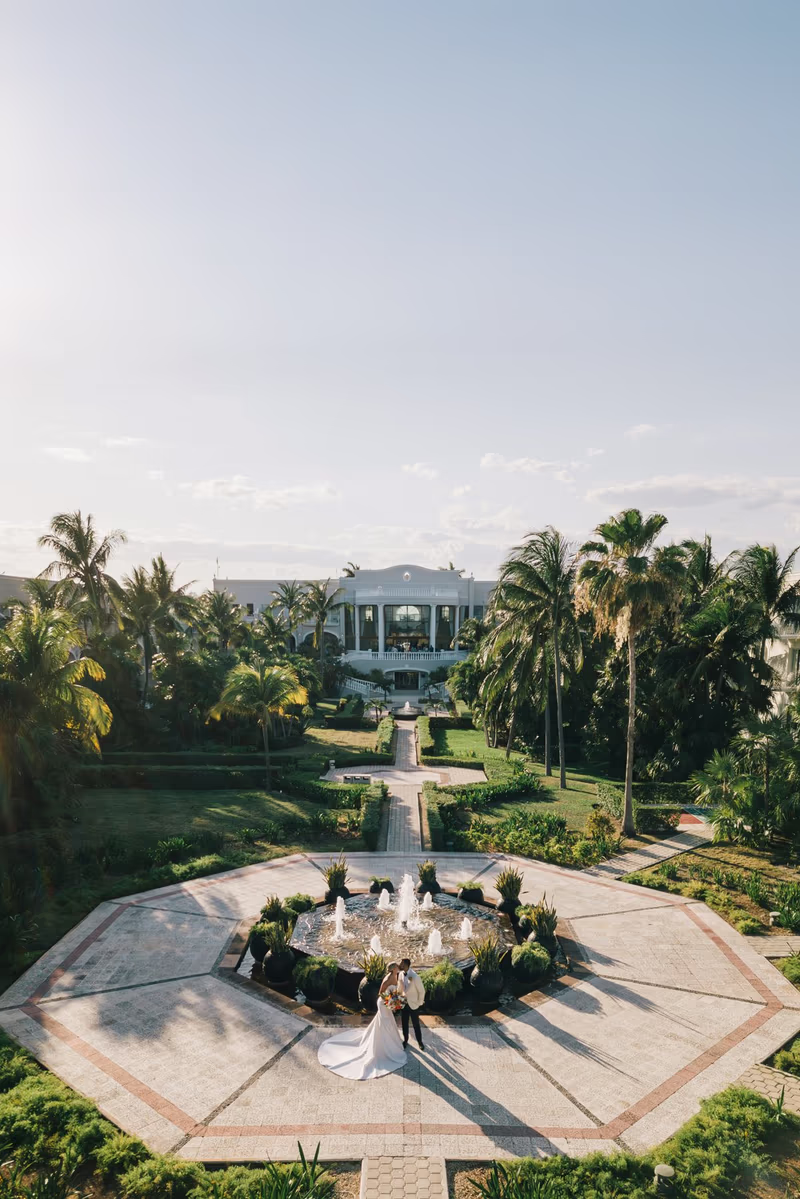
Wedding at Dreams Tulum Resort-Secret Garden Gazebo
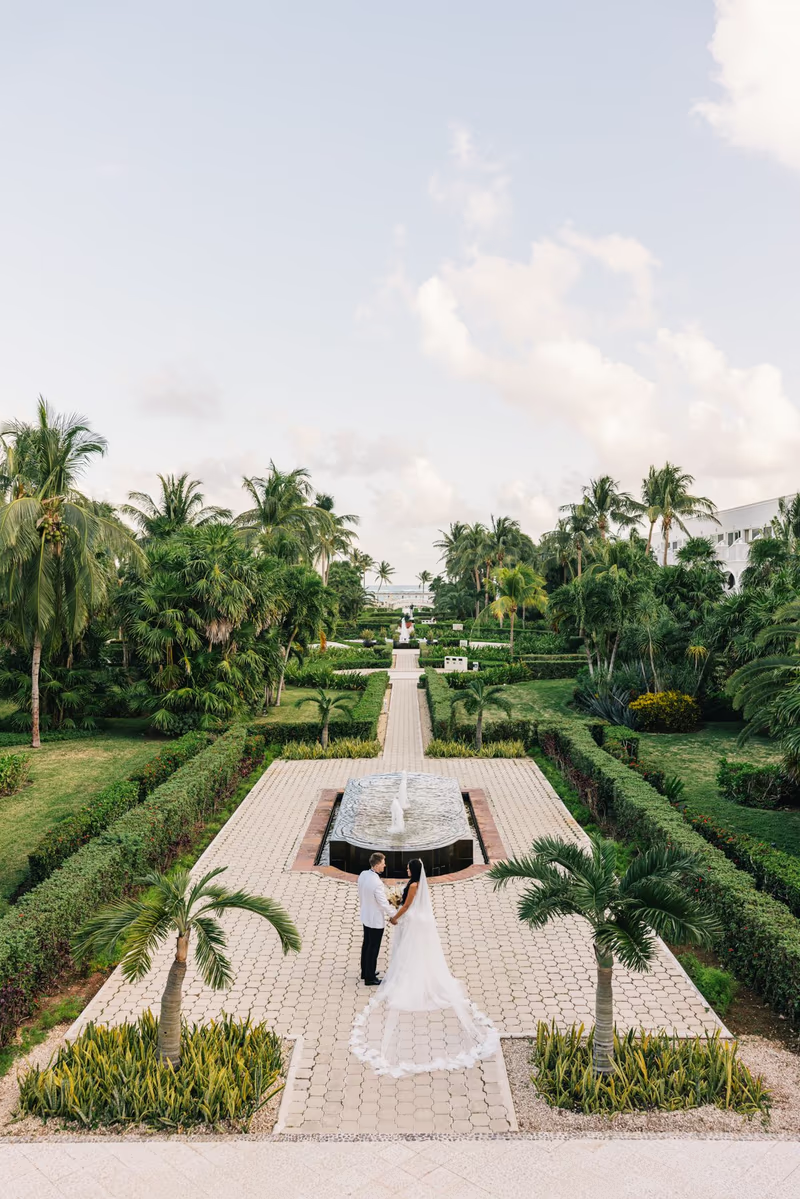
Wedding at Dreams Tulum Resort & Spa
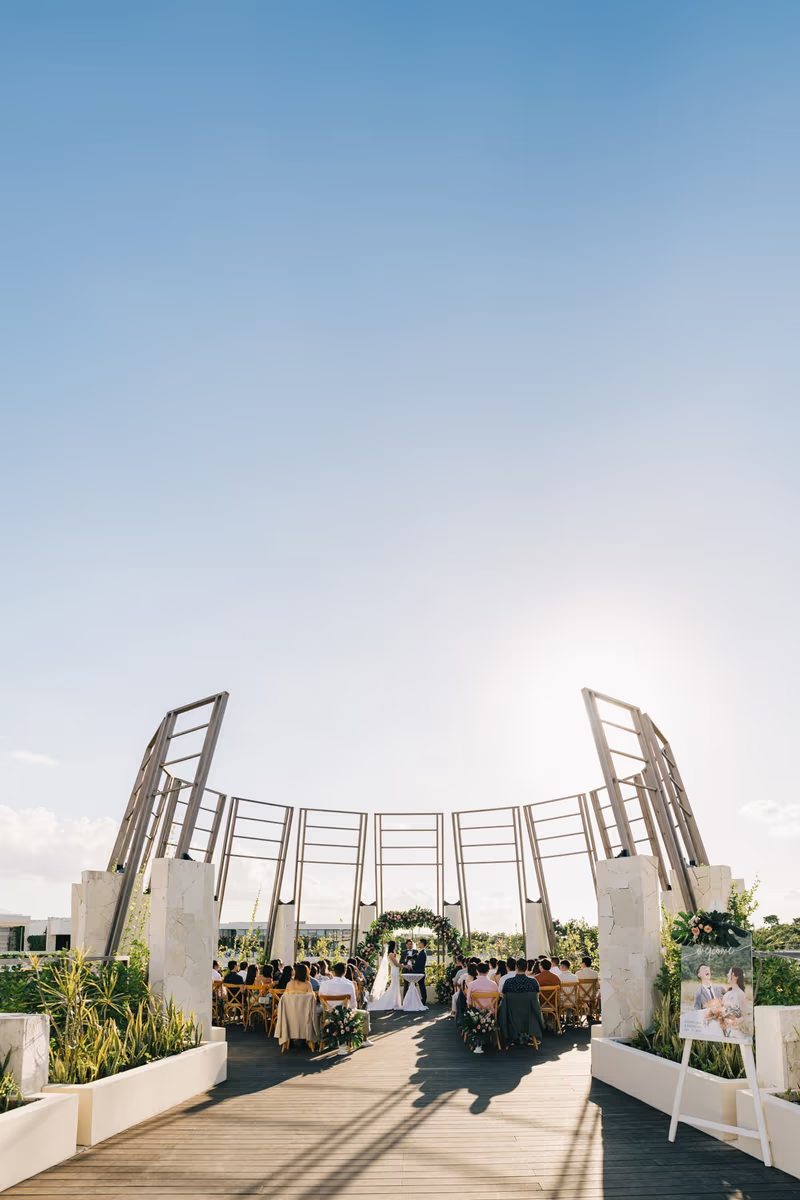
Wedding at Secrets Tulum Resort
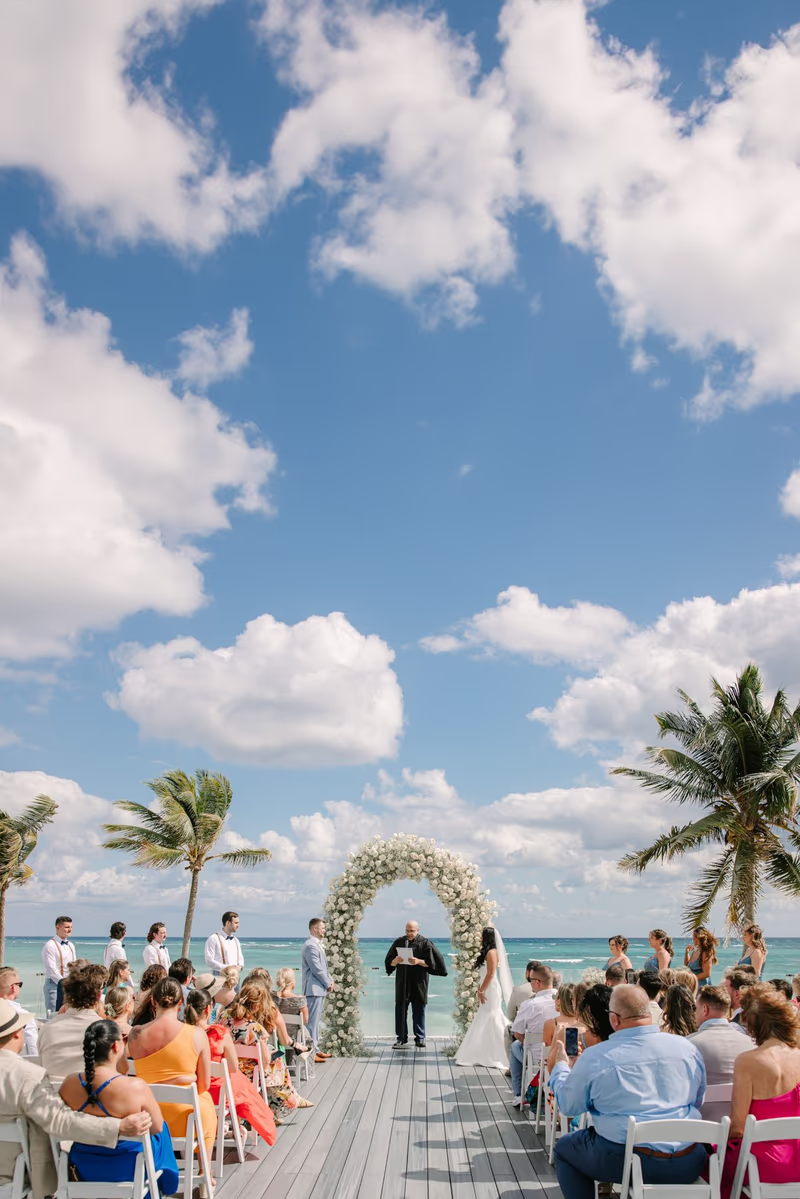
Wedding at Dreams Tulum Resort & Spa, Sunset Rooftop
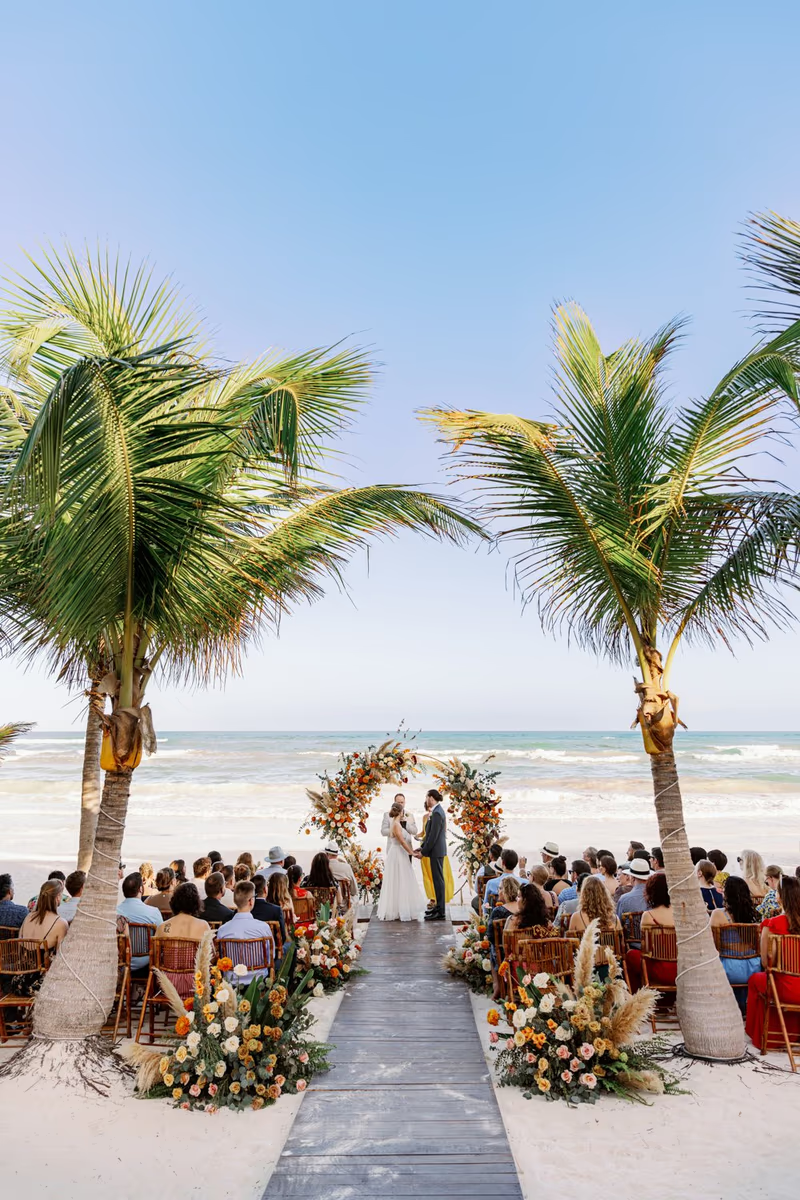
Terracotta Beach Wedding at Akiin Beach Tulum
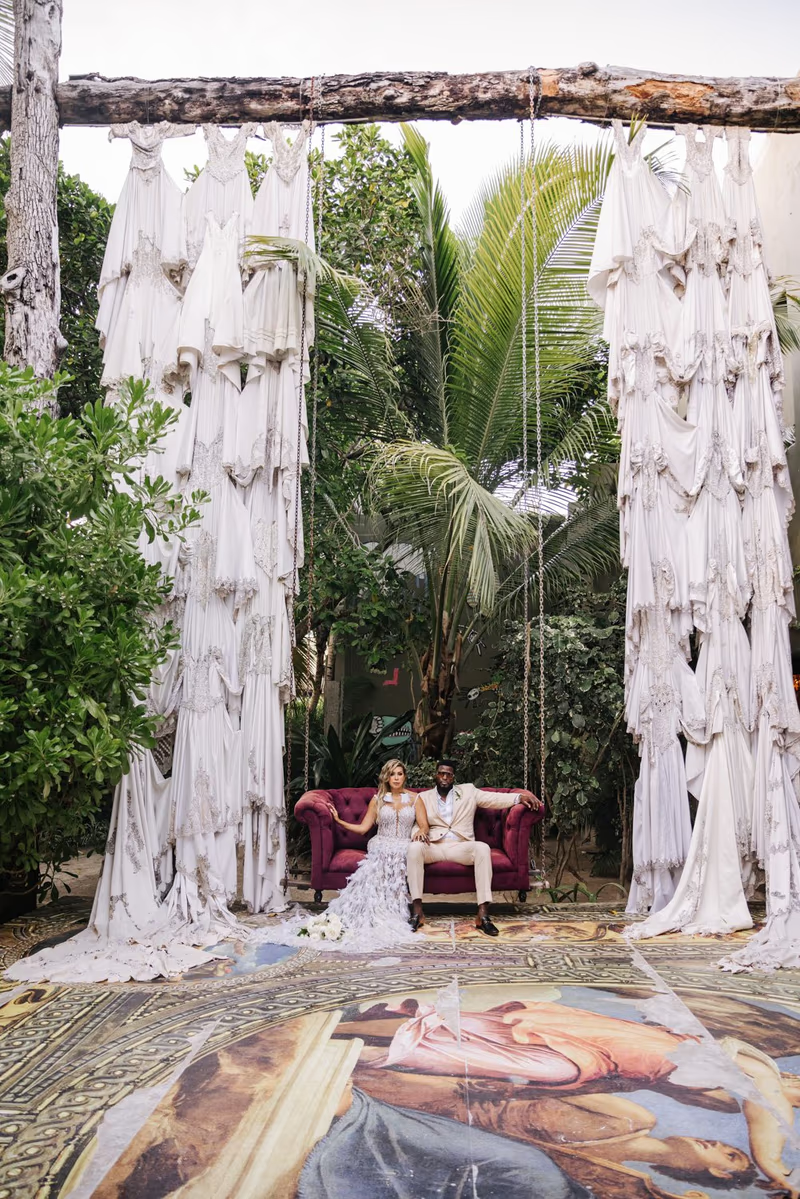
Wedding in Casa Malca Tulum
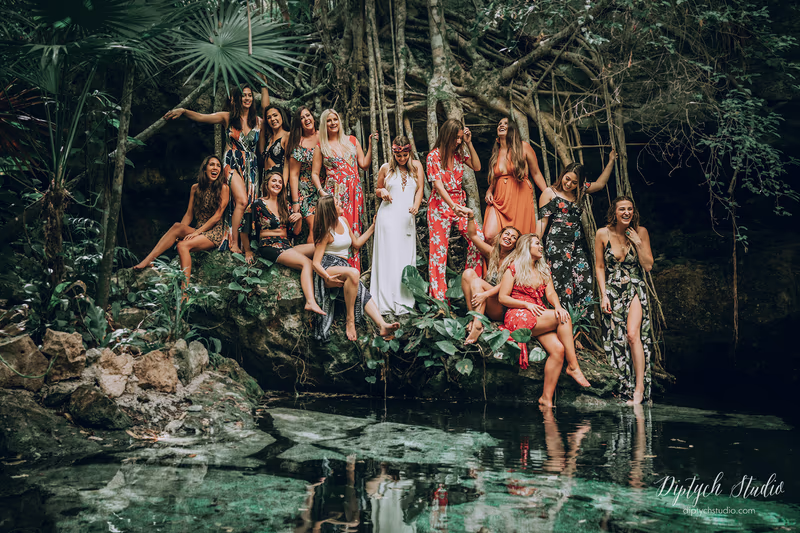
Bachelorette in Private Cenote Tulum
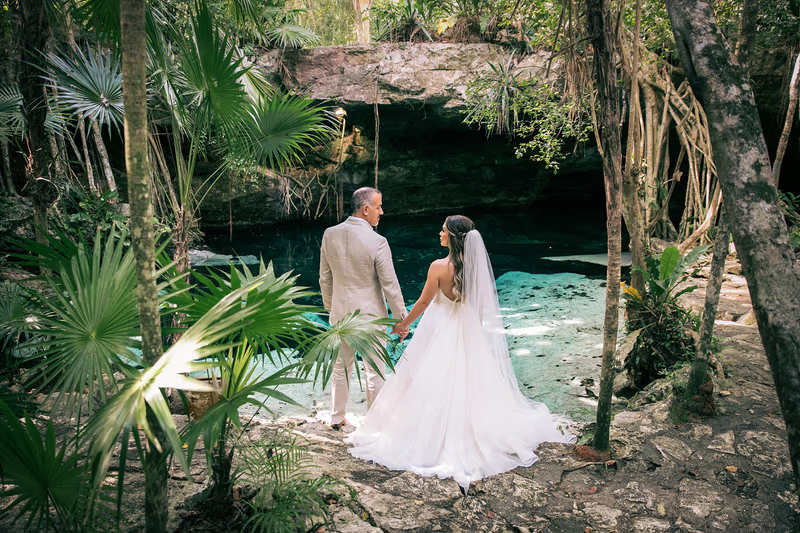
Beach photosession in Tulum and Cenote
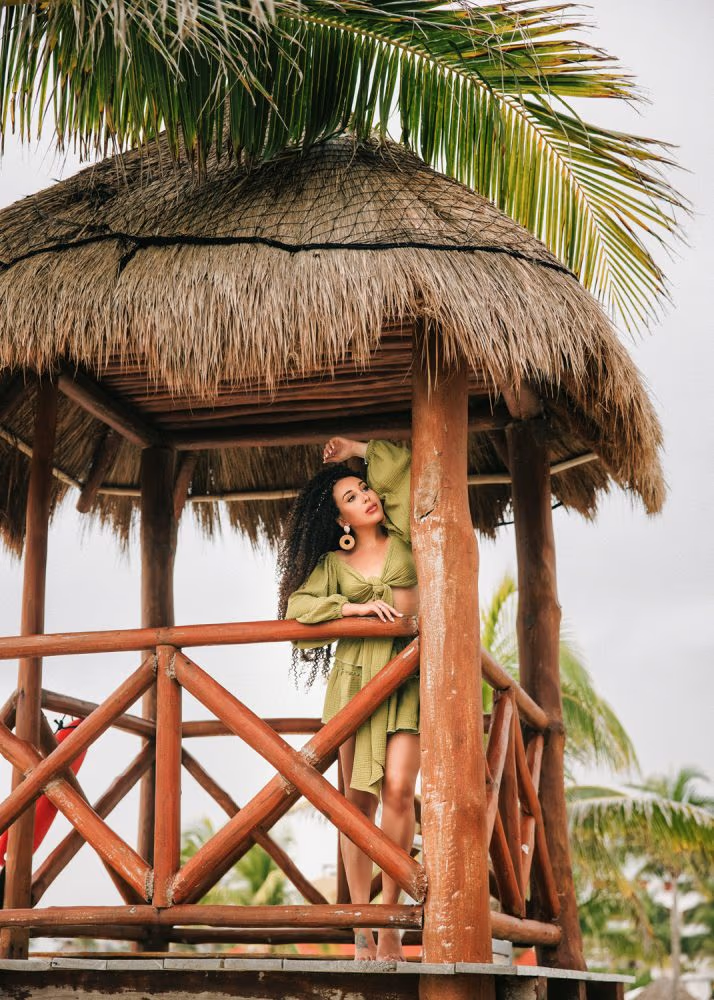
Beach photoshoots in Tulum
Questions couples ask about getting married in Tulum
Is it legal to get married in Tulum as a foreigner?
Yes. A civil ceremony in Quintana Roo is legally valid worldwide. You will need passports, tourist cards, apostilled and translated birth certificates, four witnesses, and blood tests done locally a few days before. Most couples skip the paperwork and do the legal ceremony at home, then a symbolic ceremony in Tulum — guests never notice the difference.
What is the best month to get married in Tulum?
November through February gives you dry weather, low humidity and the best light. March–May is hotter but reliable. June–October brings higher humidity and more rain, and hurricane season runs from June 1 to November 30 — doable, and cheaper, but plan indoor backups.
What about sargassum (seaweed)?
It changes a lot from year to year and from beach to beach, so nobody can promise a day without it. It is not something to fix in editing: it is handled on the day by choosing where, when and from which direction to photograph. Jungle venues and rooftops give you settings where the shoreline is not part of the picture.
What time should our ceremony start?
Work backwards from the sunset on your date: start the ceremony one and a half to two hours before it. In Tulum that is around 4:10 p.m. in December and around 5:30 p.m. in June. The ceremony gets soft light and you keep the last hour of daylight for portraits. My ceremony time guide calculates it for your exact date.
How far in advance should we book?
Once you have a date and a venue. The venue is the first real decision, and everything else — photography included — is planned around it.